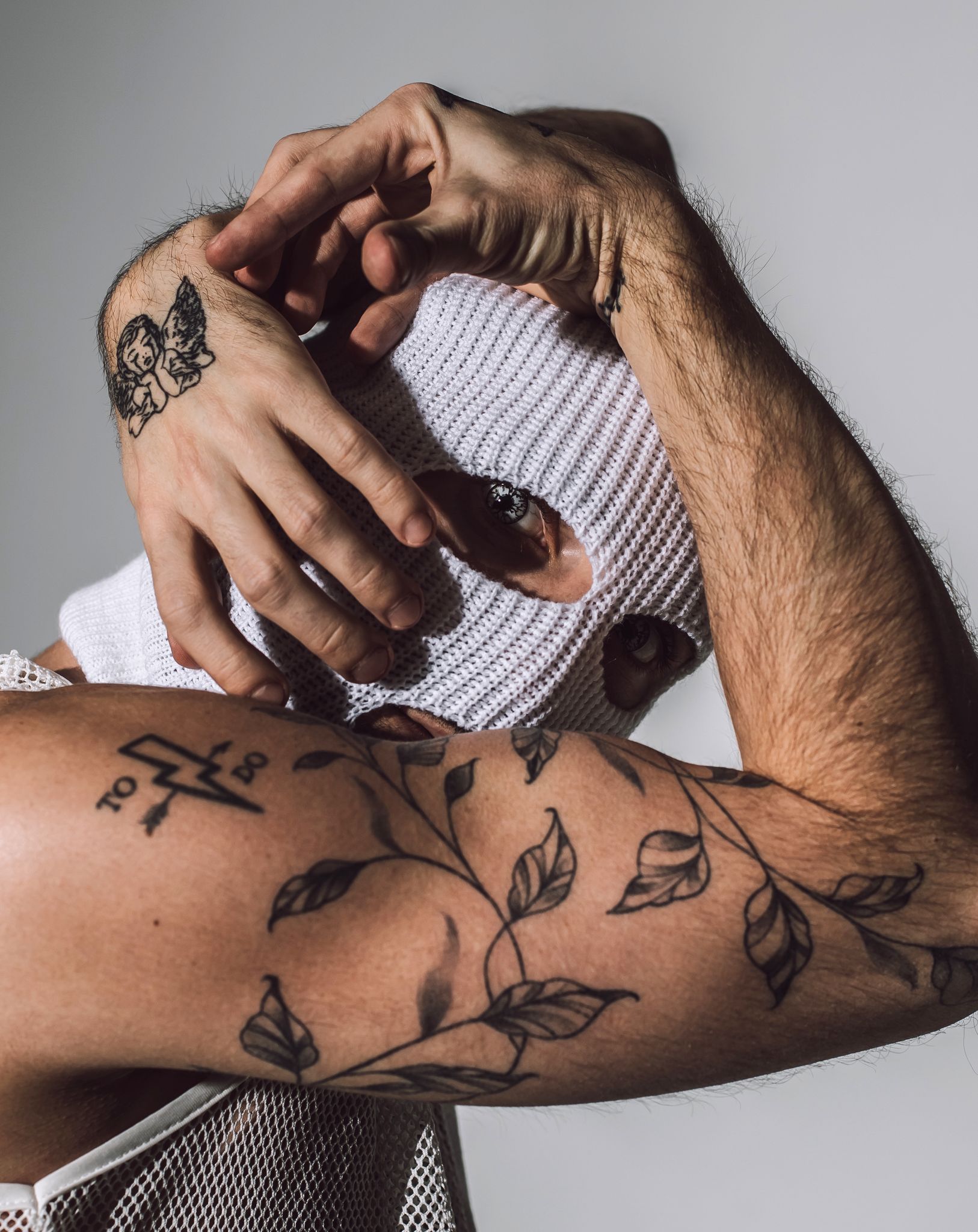
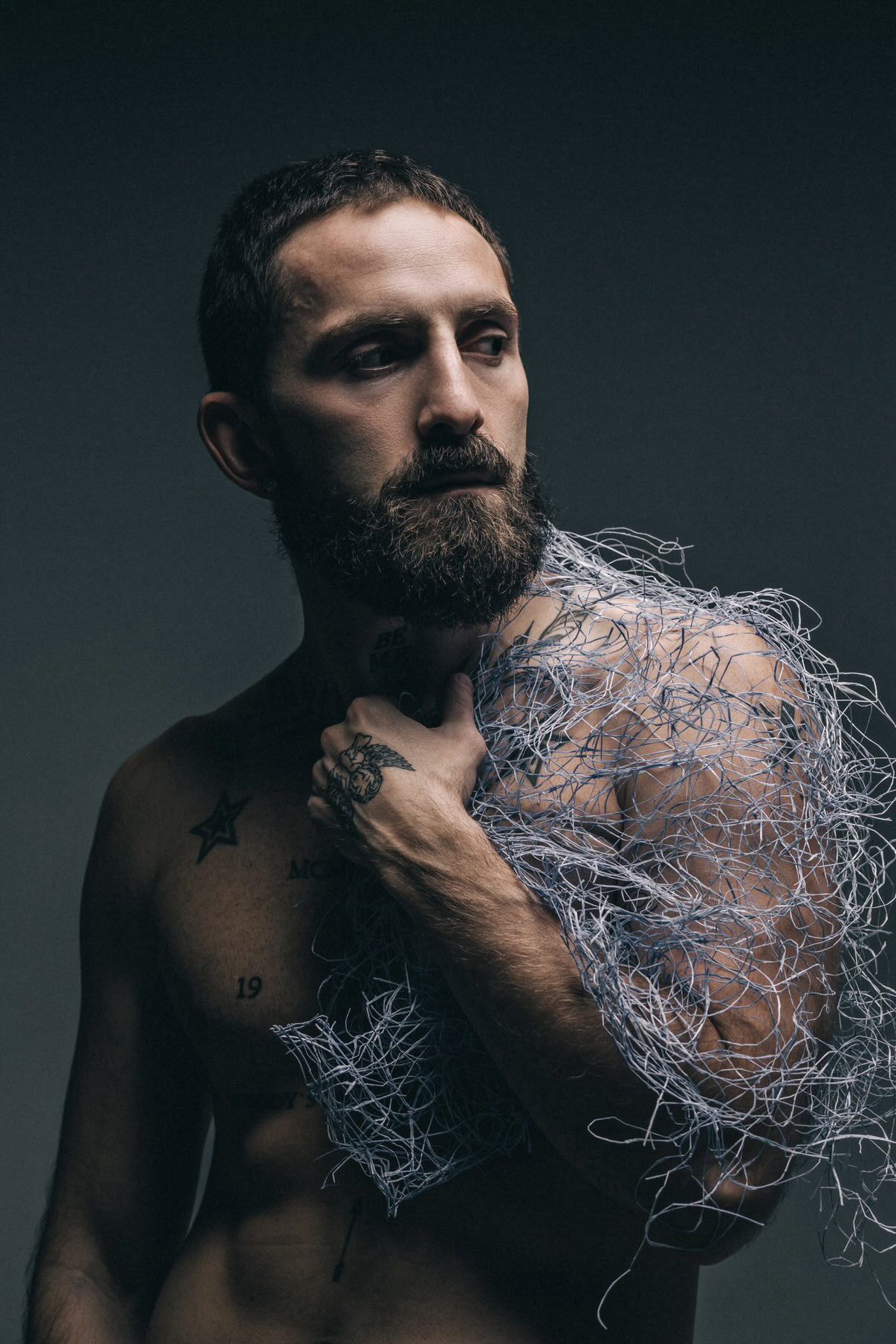
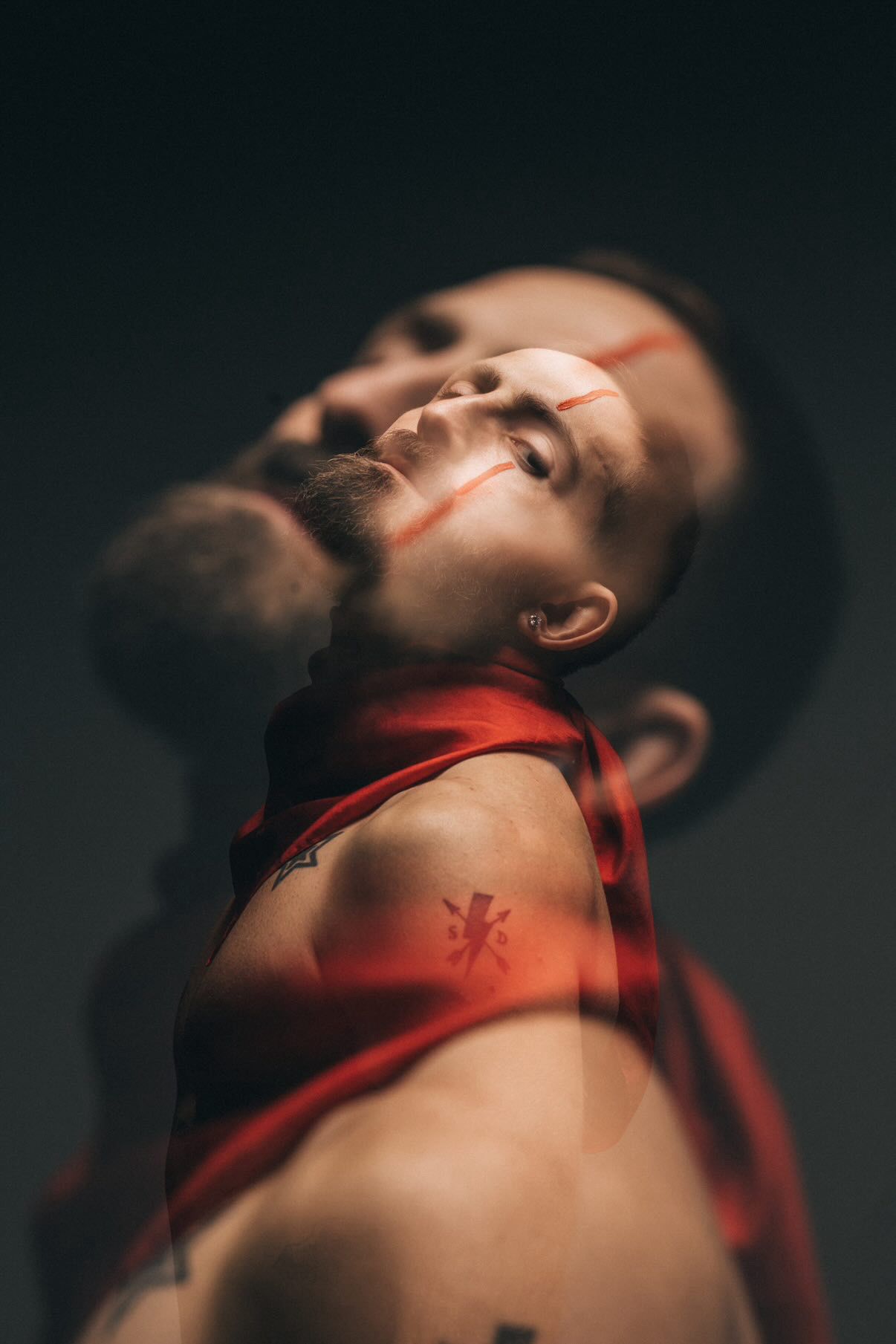
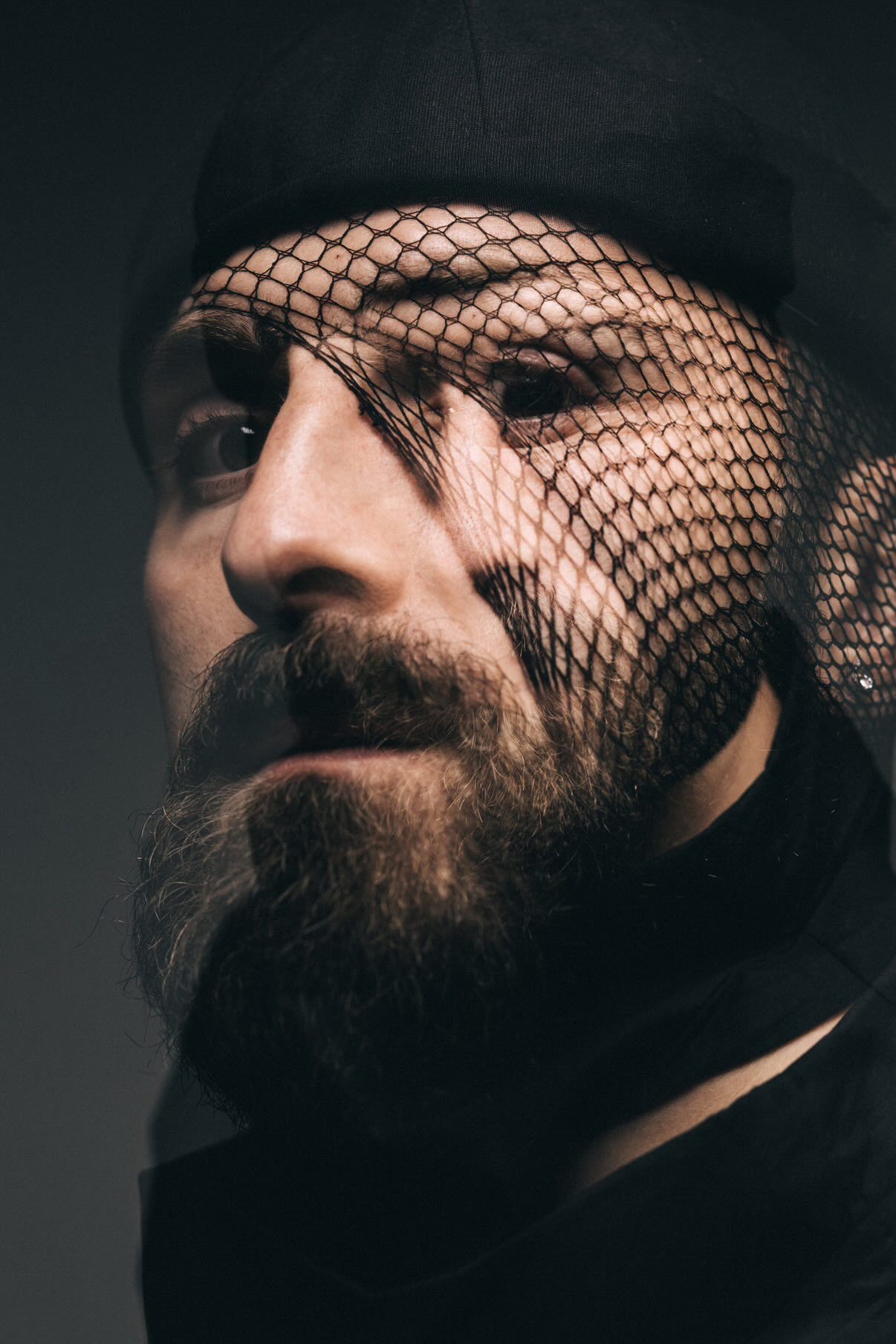
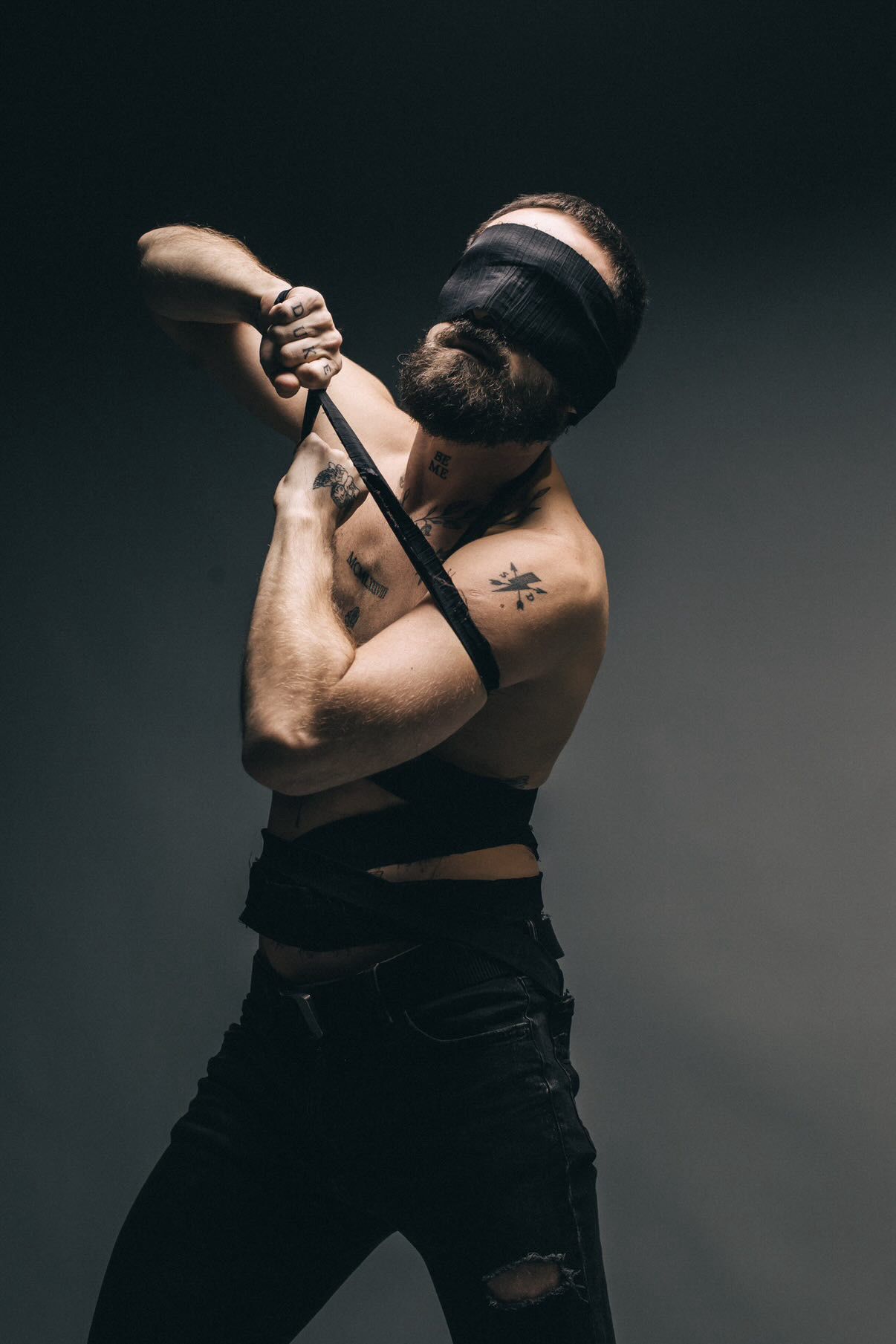
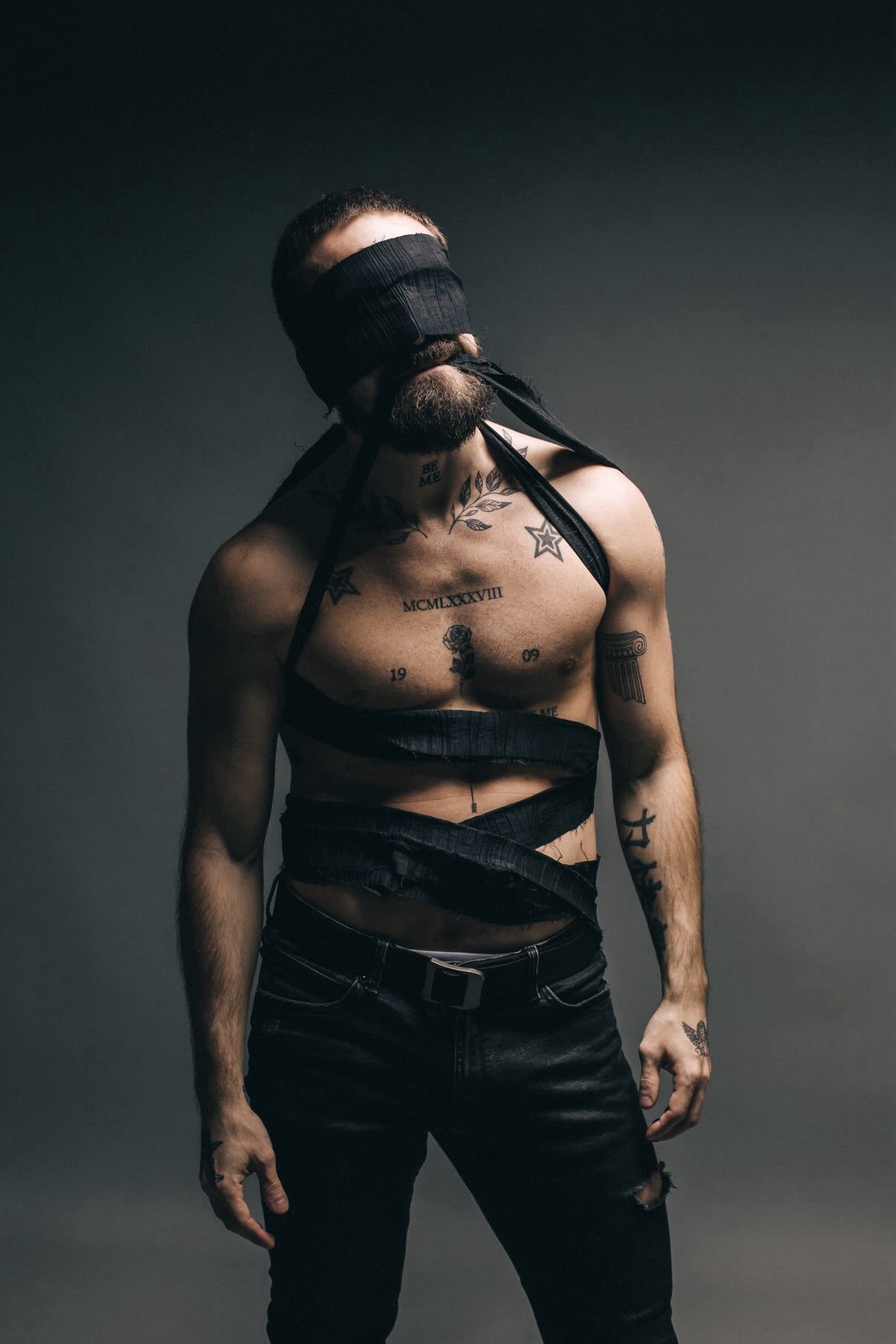
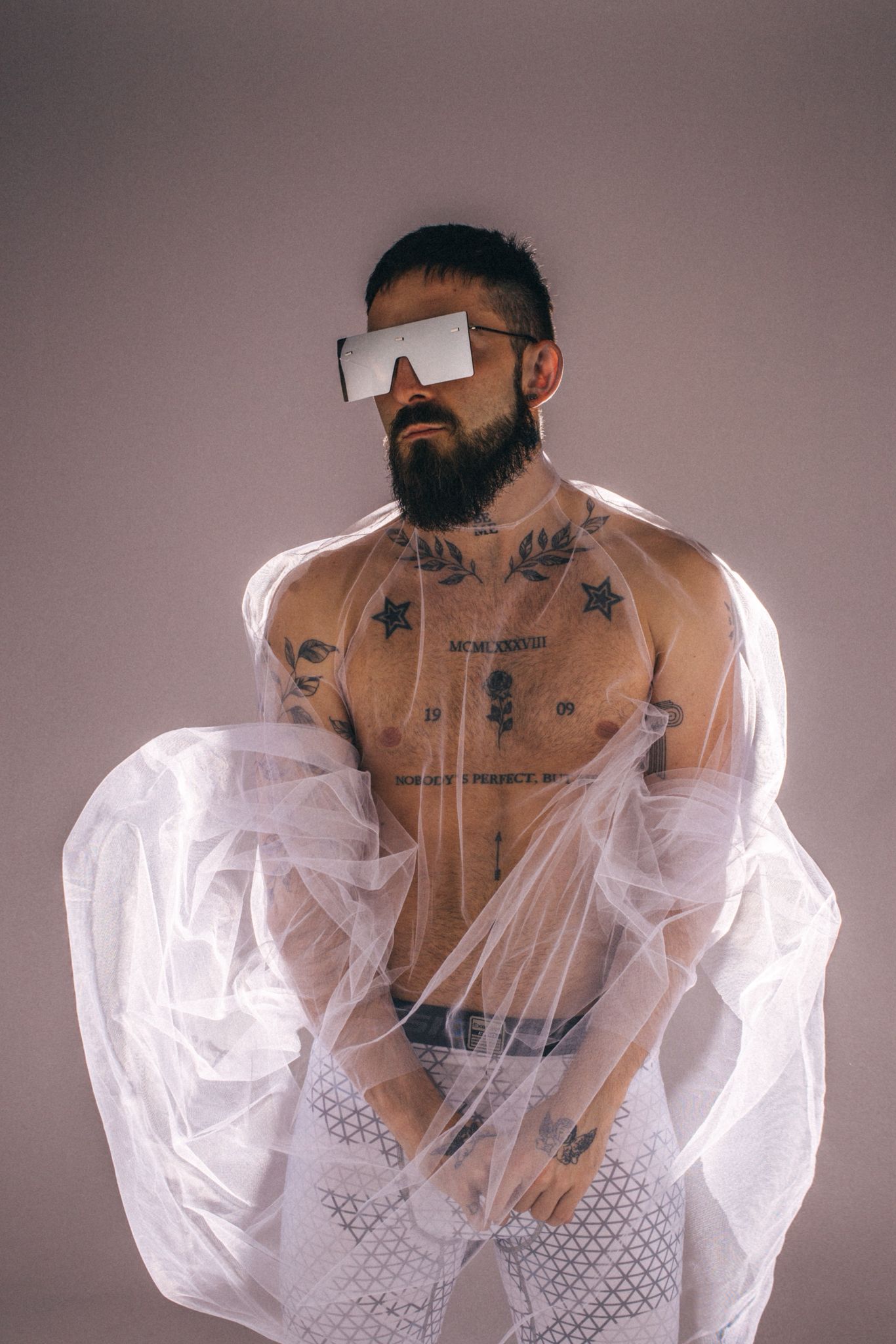
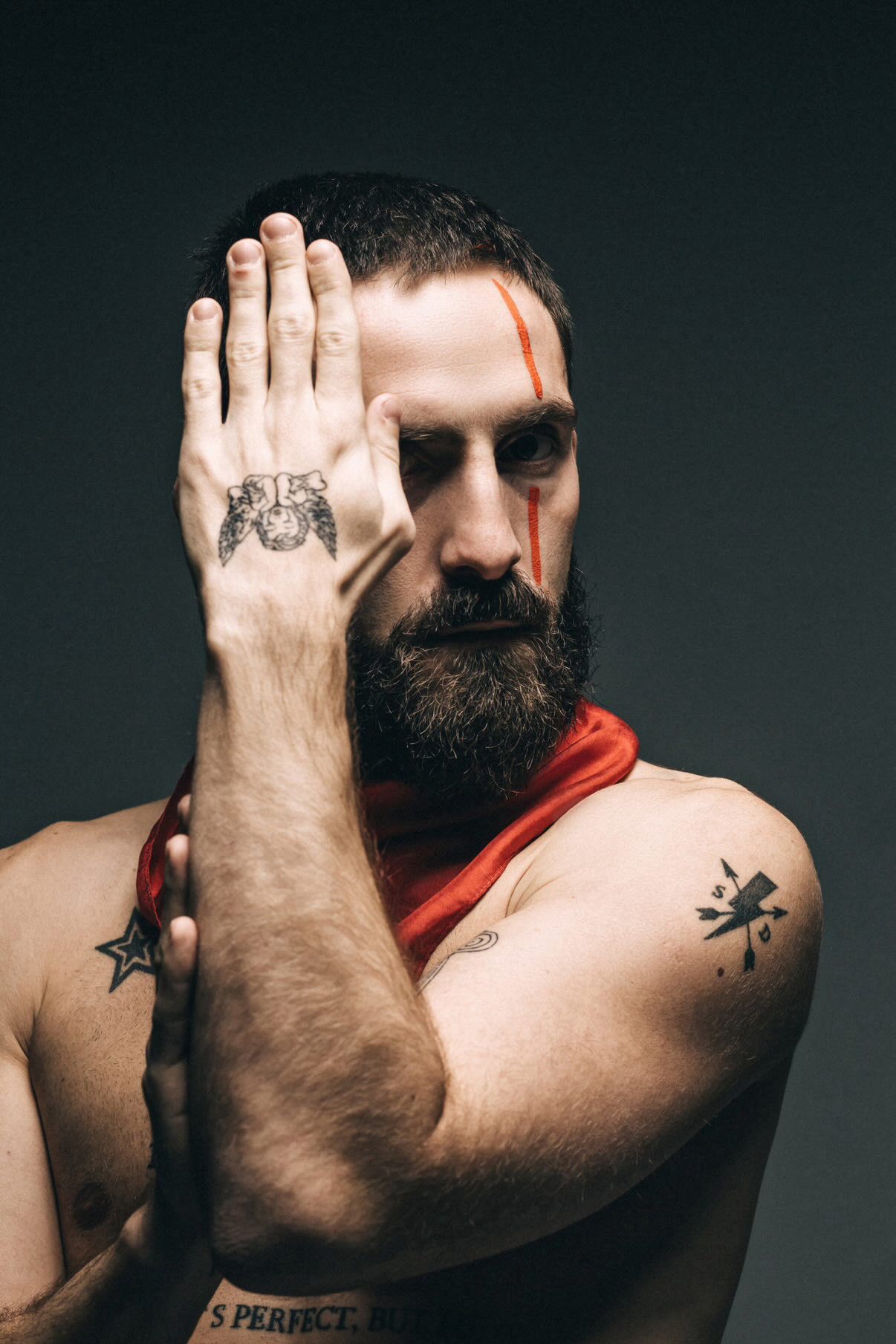
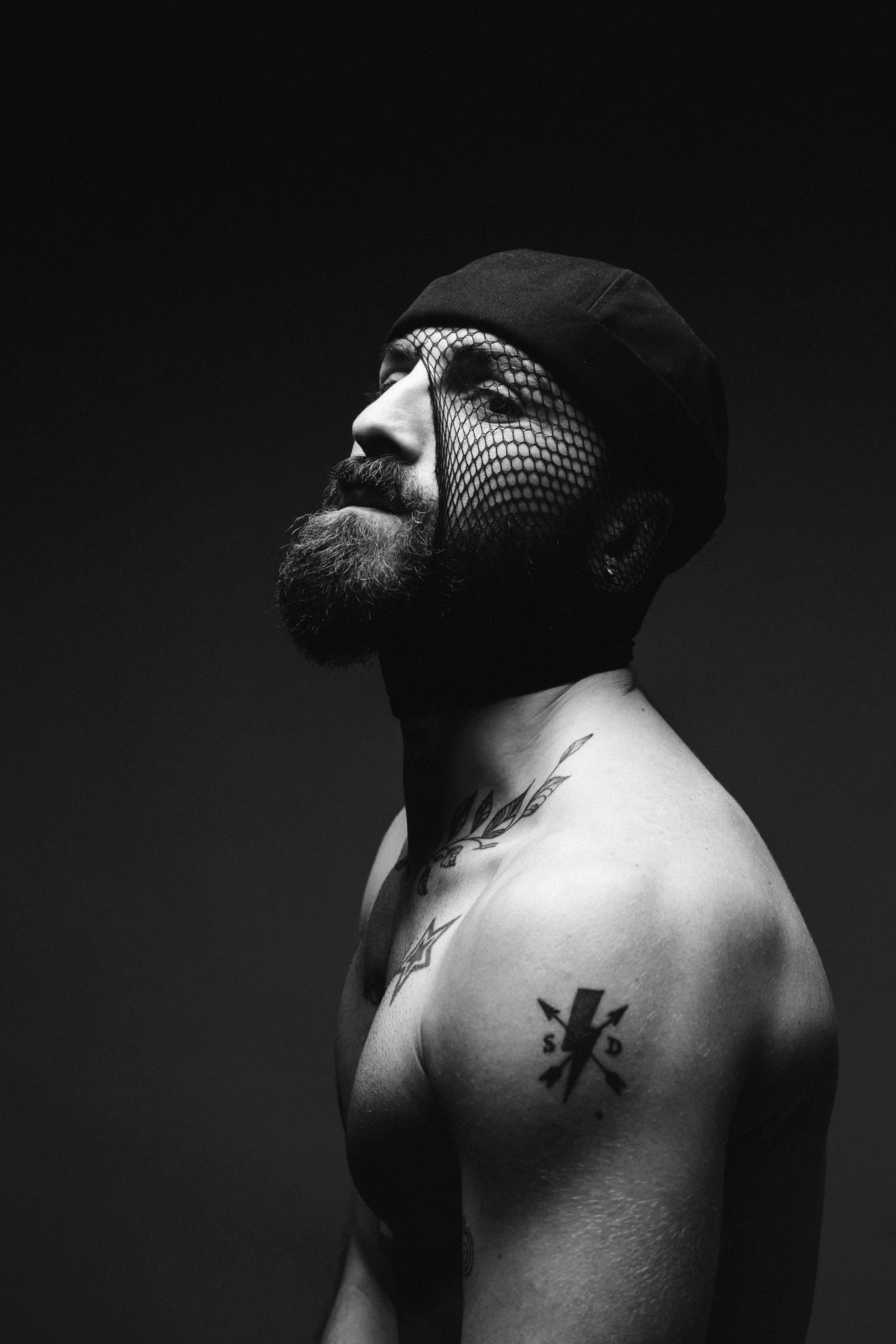
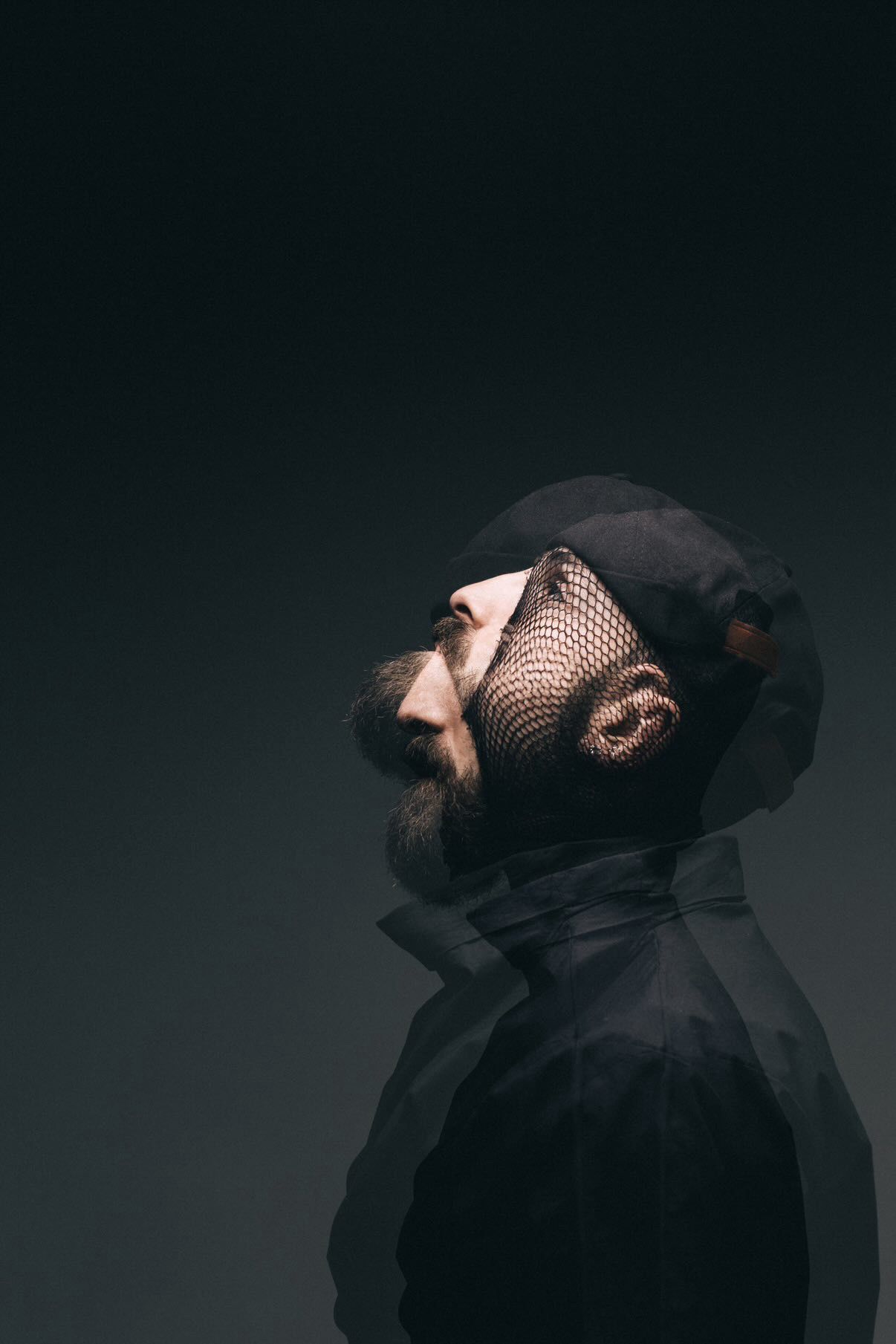
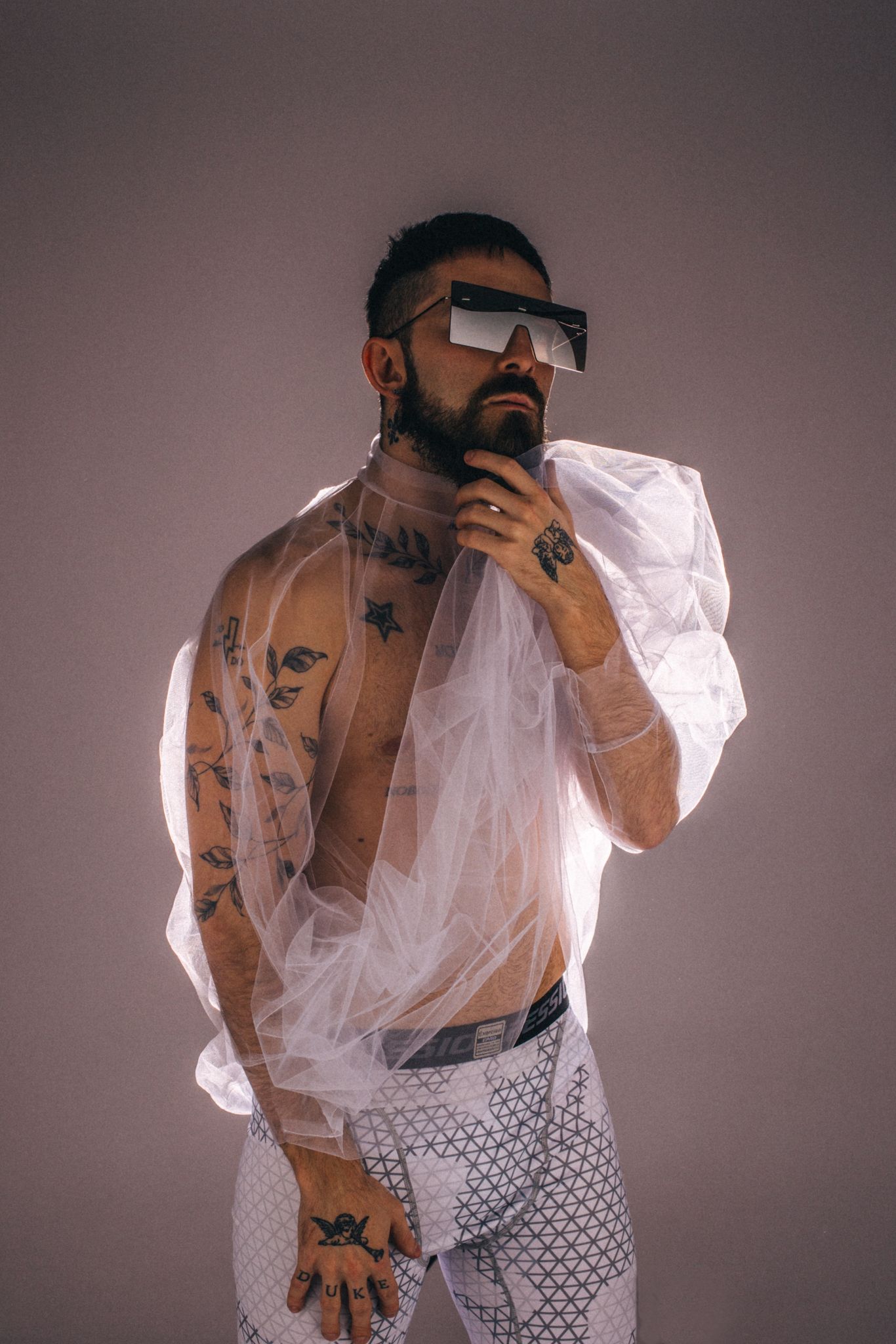
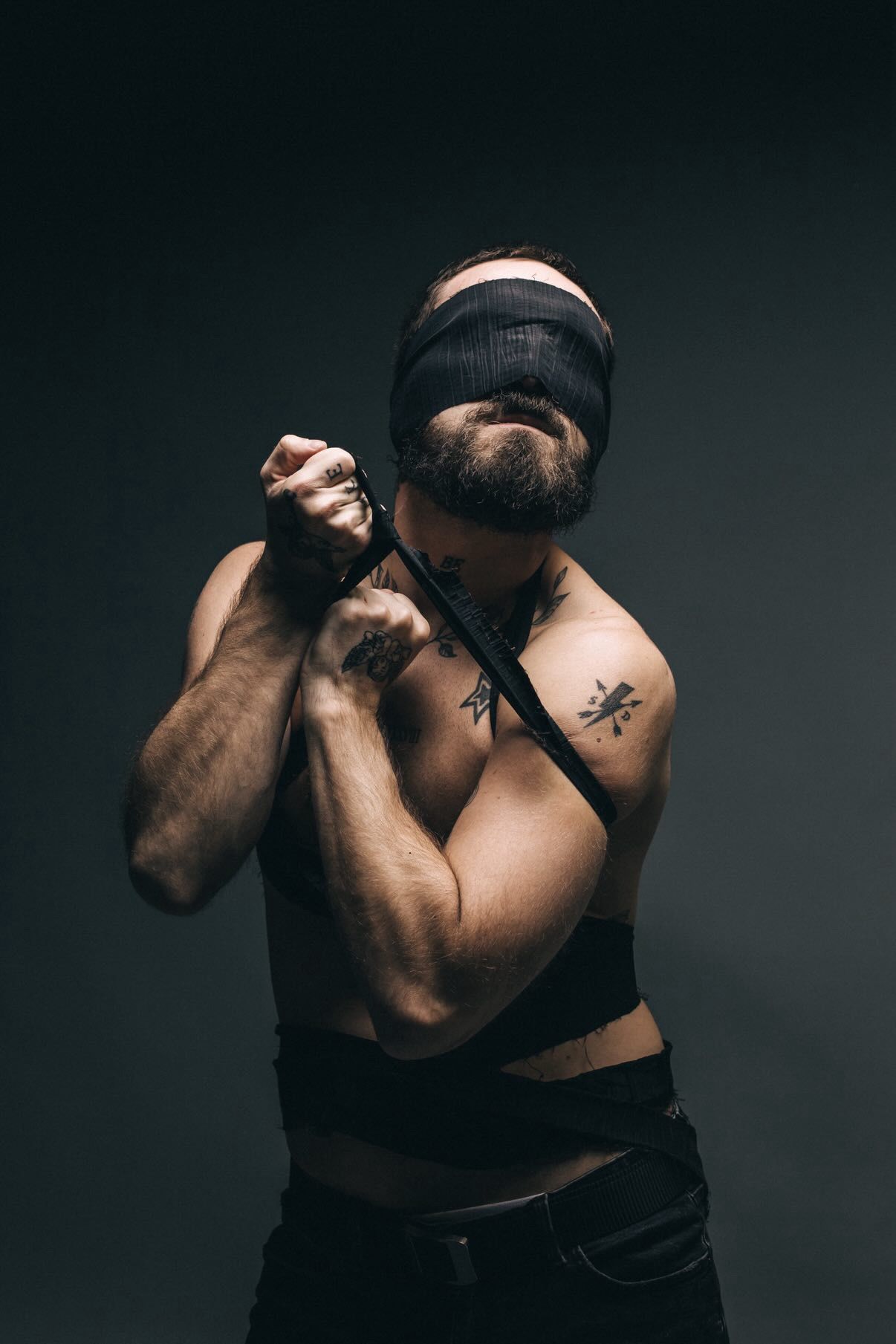
Dima Duke (wywiad)
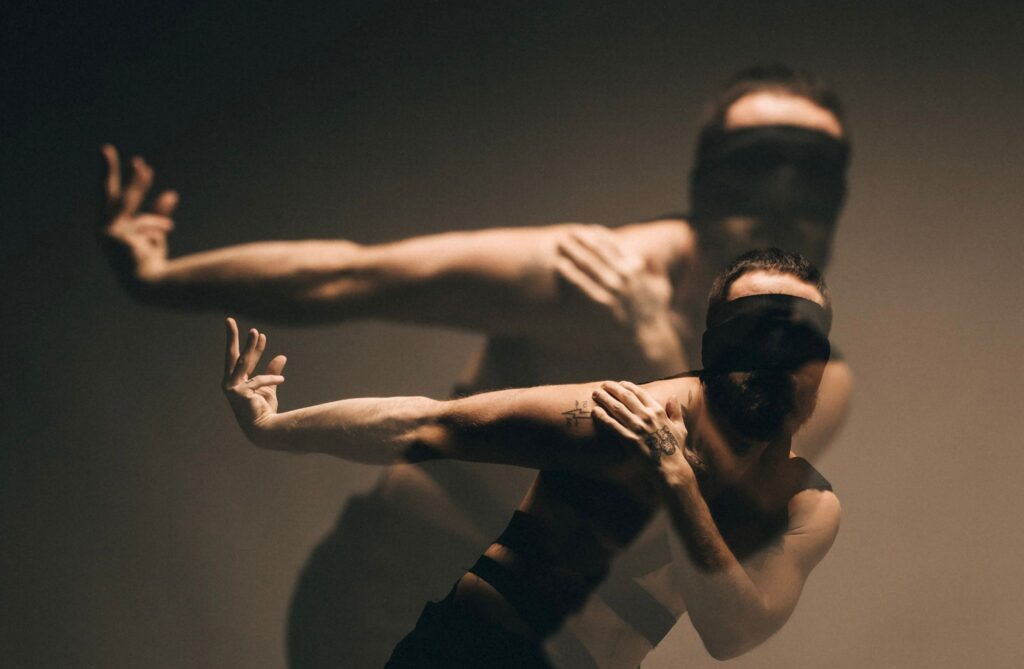


Could you tell us in a few words what you do and what your daily work looks like?
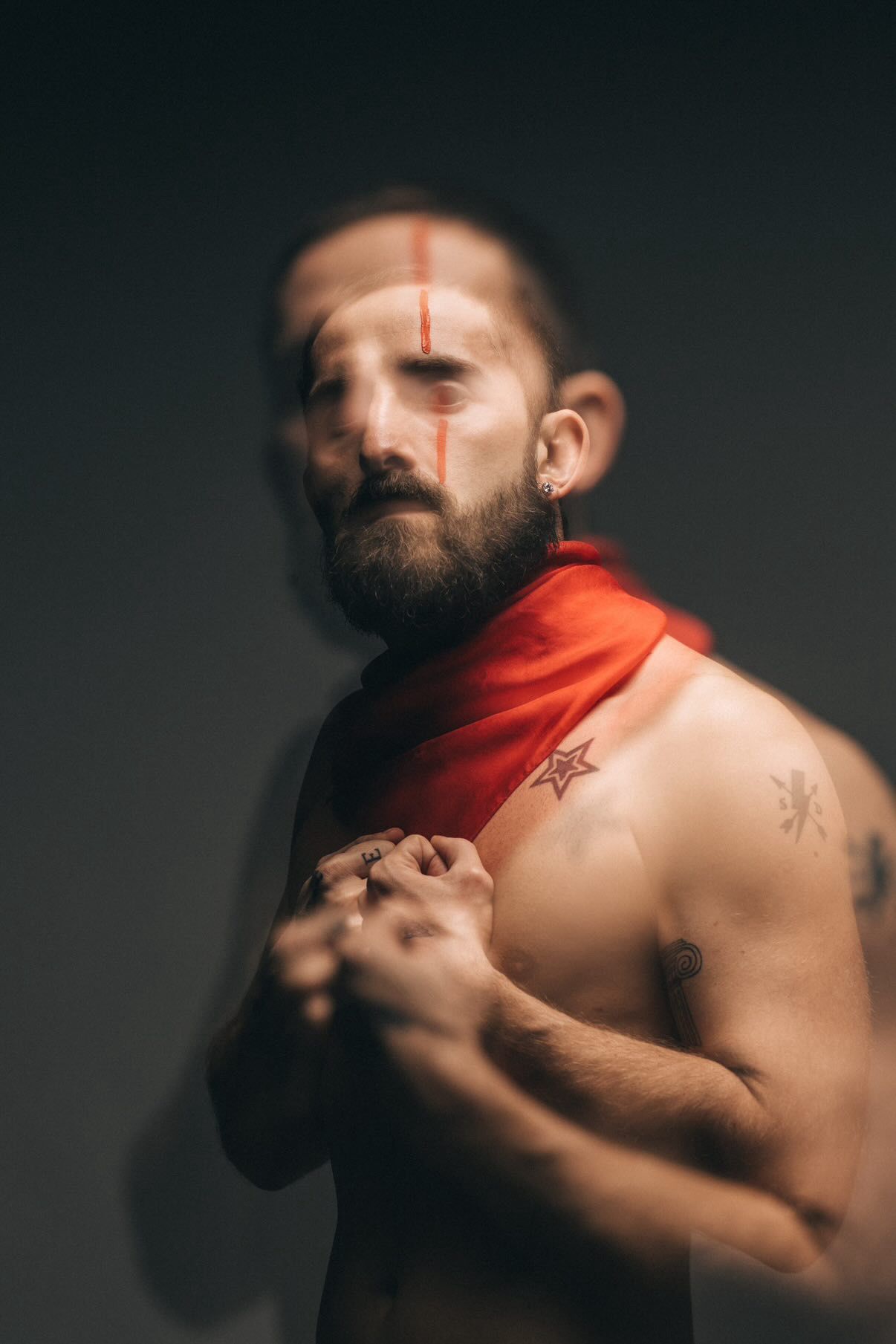
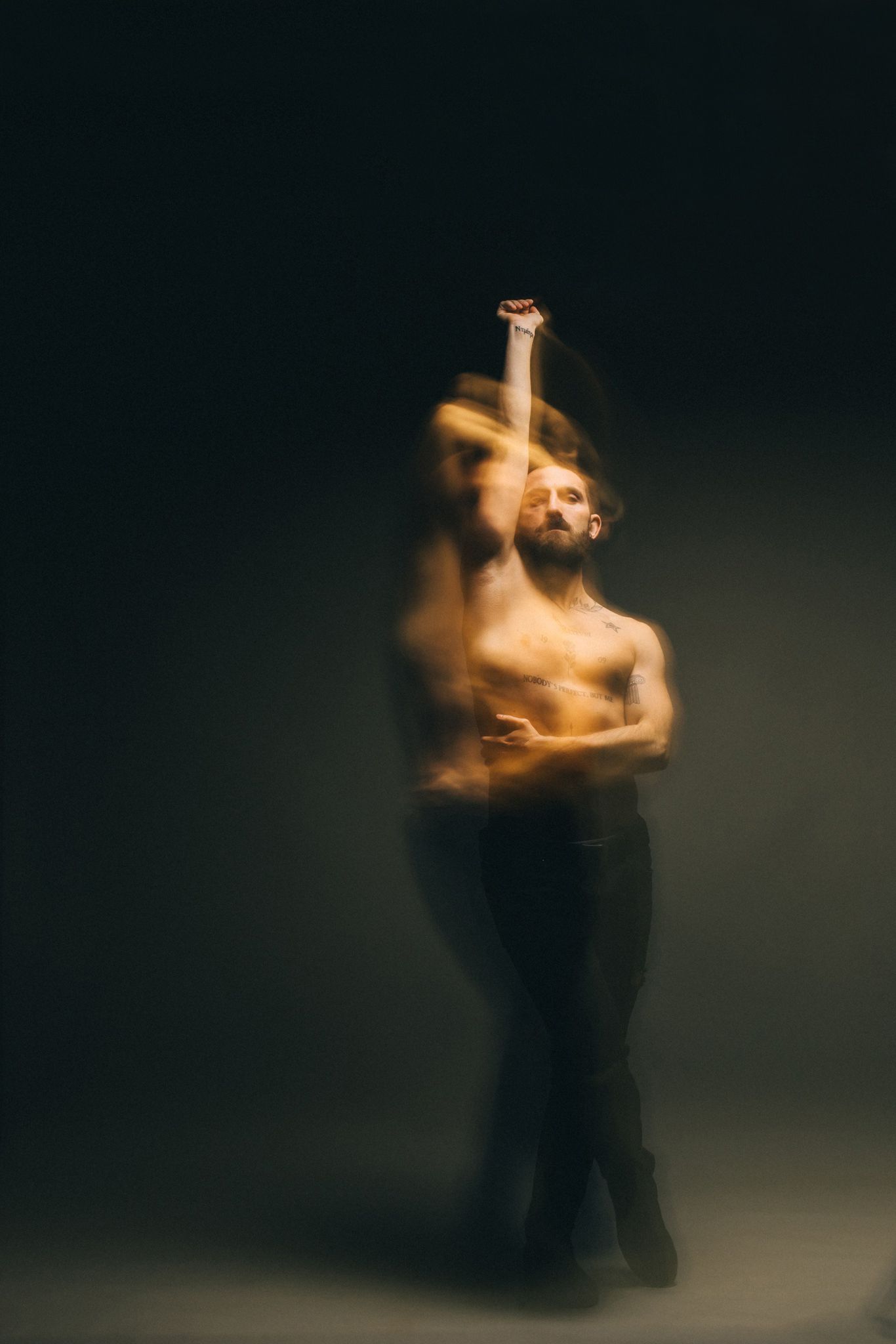
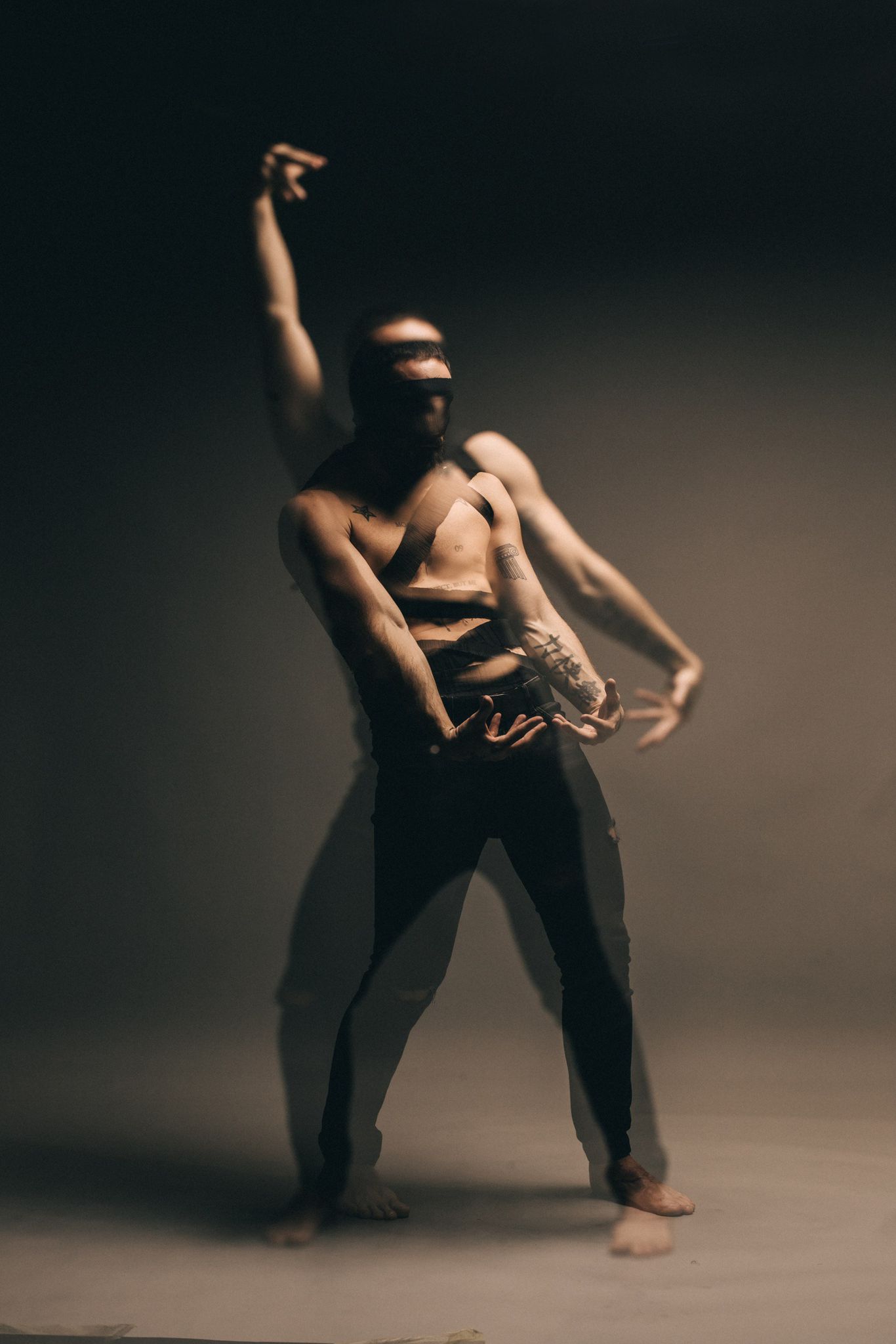
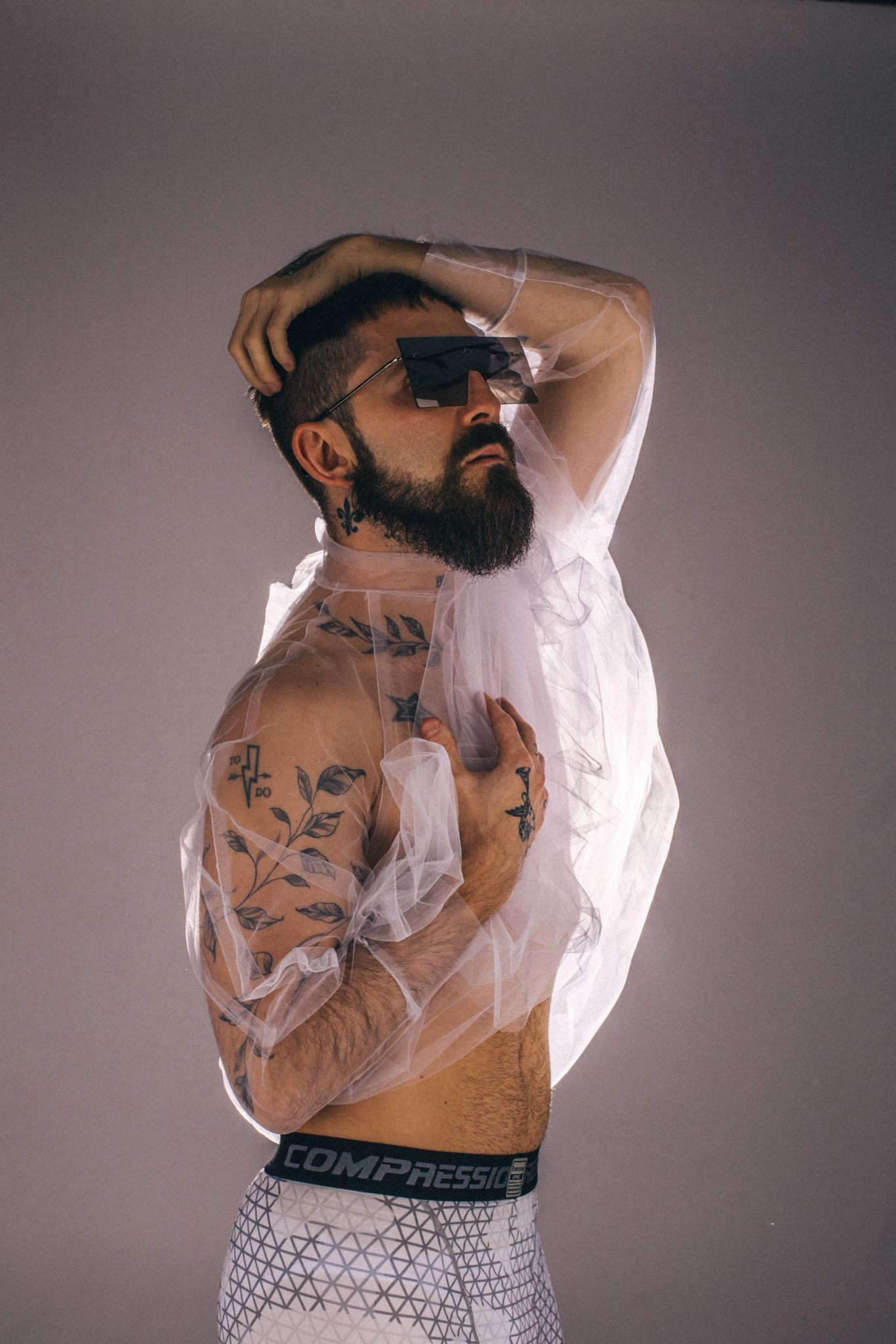
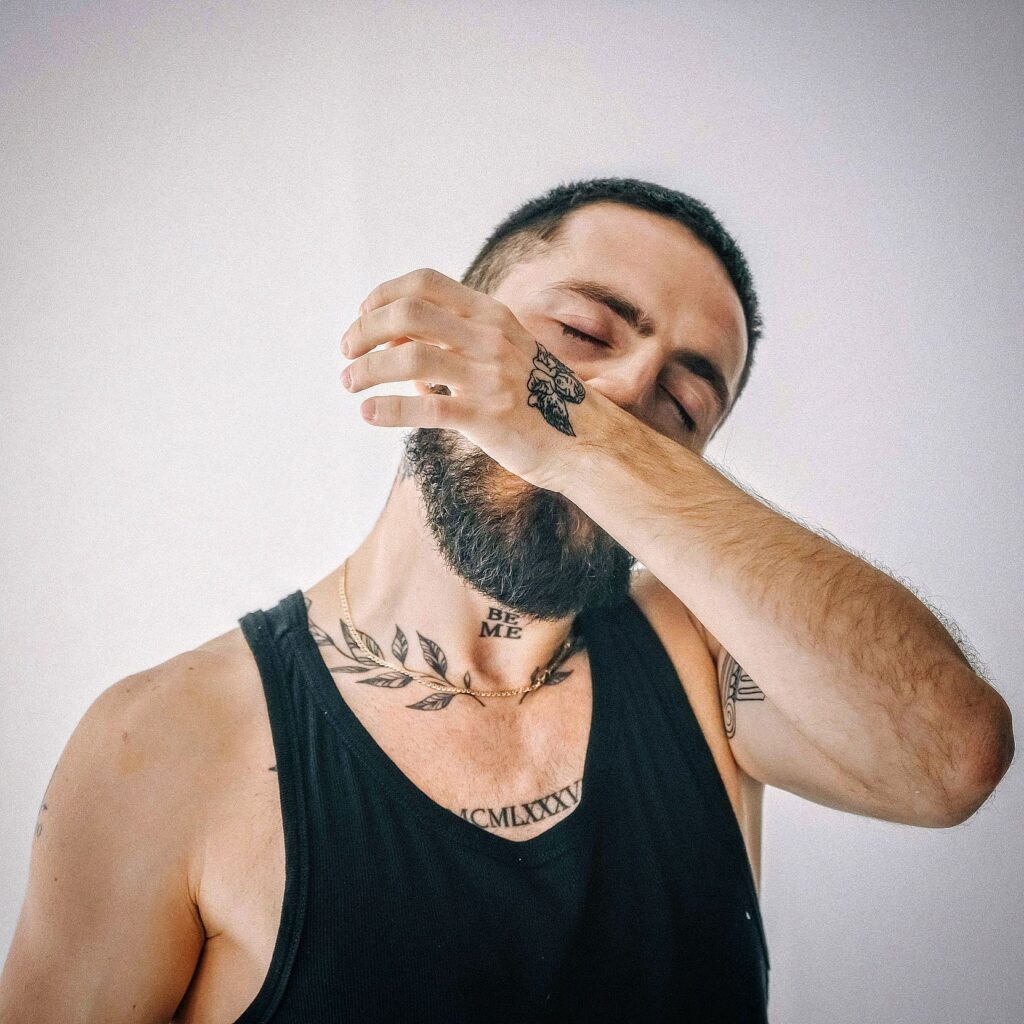
Hi, I’m Dima. I’m 37 years old. I moved from Belarus to Poland three years ago. I’m a dancer, a contemporary dance teacher, and a performer. That means I not only dance, but I also teach and perform.
What style of dance is closest to you now? You mentioned contemporary dance — can you explain more?
Right now, my contemporary dance is more like a mix. In the past, I was strictly a hip-hop dancer. I focused only on hip-hop, took part in competitions, and mostly performed in battle formats.
Later, I started working more with choreography and discovered vogue culture. I practiced voguing for twelve years. I was a vogue dancer and even a father of a Vogue House.
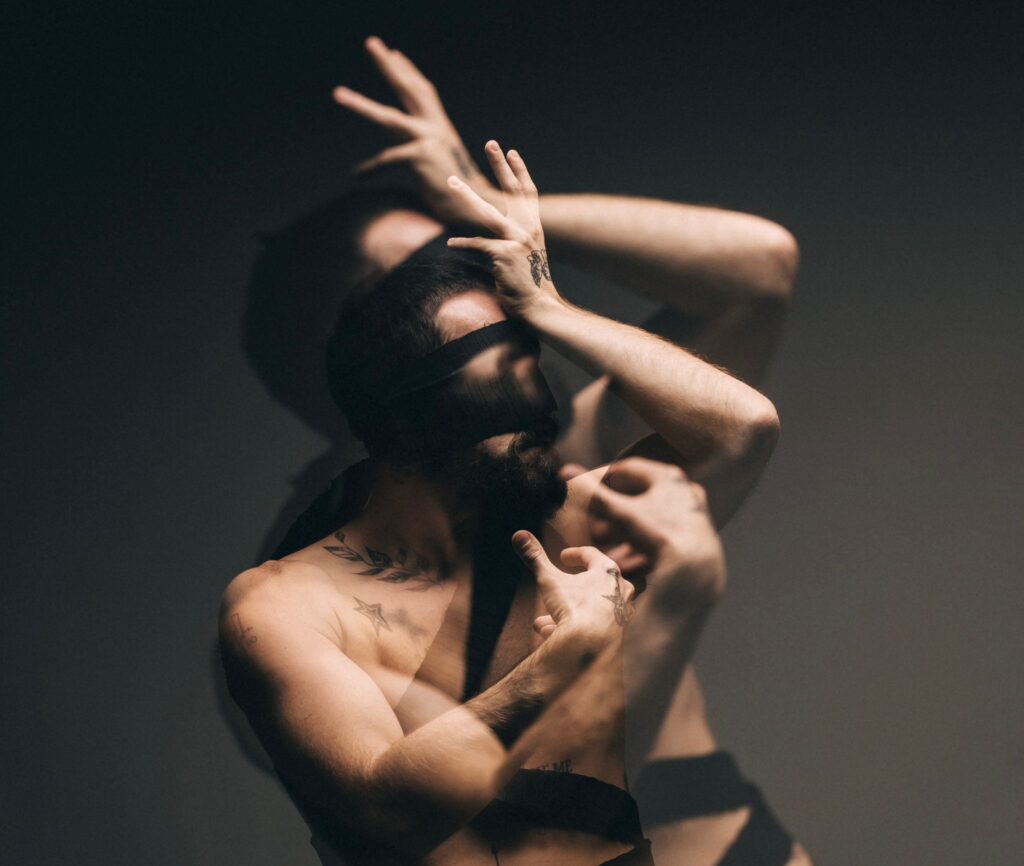
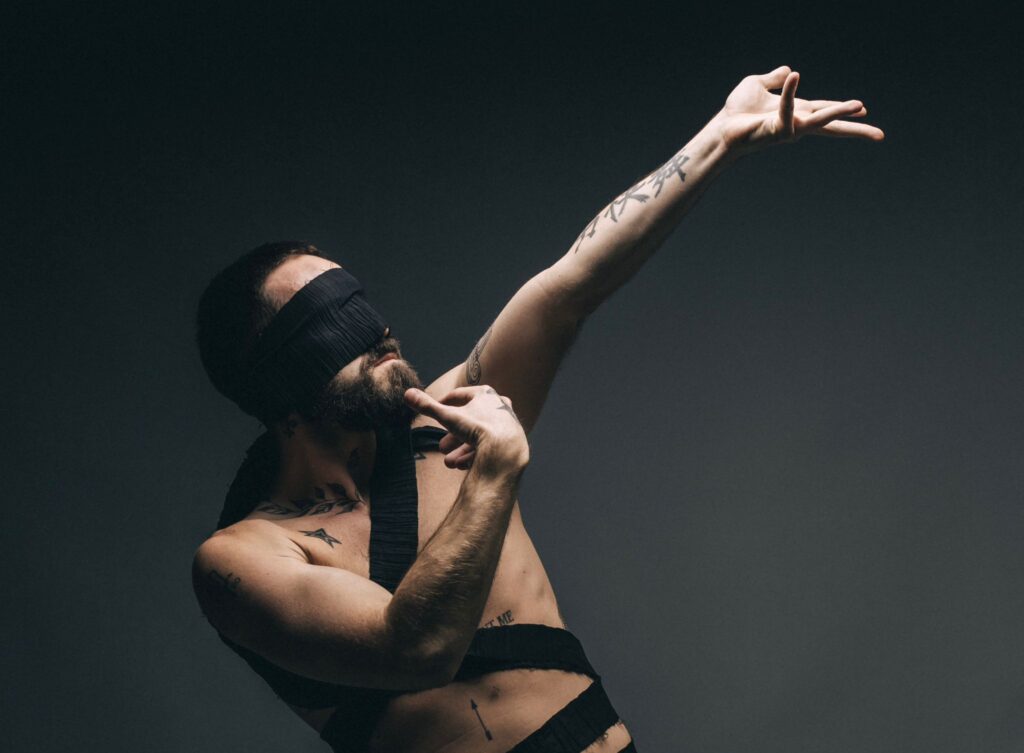
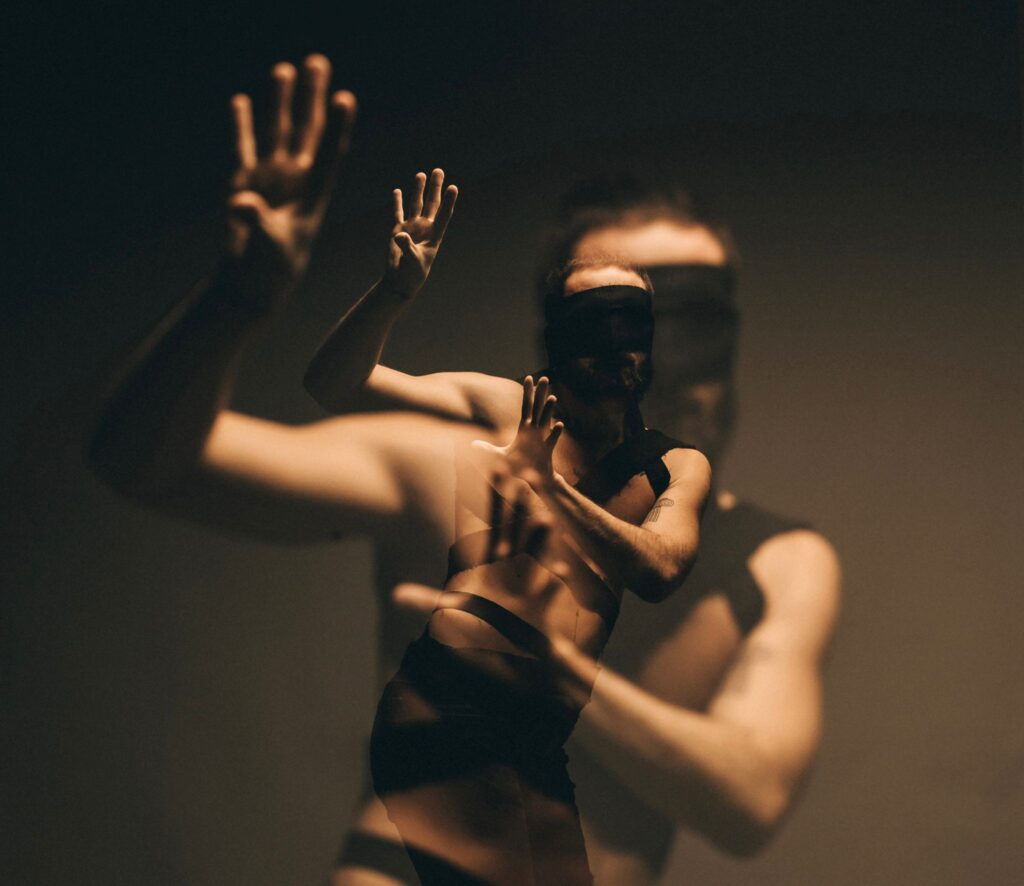
Over time, I moved to a new stage and began working with contemporary choreography that is not connected to one specific style. It is based on improvisation — on mood, on how you feel the music and your body.
At the moment, I run workshops where I teach improvisation, how to feel the music, how to feel your body, and how to work with technique.
What do your classes look like? Who joins them and what do you teach?
I have been dancing for 18 years, and almost all that time I have also been teaching. First hip-hop, then vogue, and now contemporary dance.
My classes are different depending on the topic and the group. Sometimes I teach very basic workshops for people with no experience. I explain what dance is, how you can learn it, and what skills you need to grow.
I also explain that dance is not only about the body, but also about music, rhythm, and sound. I teach how to listen to music, how to break it into parts, and how to respond to it with movement.
There are also workshops for more advanced dancers. For example, “hands” workshops, where we focus mainly on arm and hand movements, or “bodywork,” where we focus on the torso and chest — parts of the body that are often ignored in dance.
I have more than 20 different workshop topics. I have taught in Belarus, Poland, Russia, and Spain. I always adjust the workshop to the group — whether it is a dance school, children, adults, or people with no dance background.
In February, I am running a free basic course in Słupsk. The program includes: feeling the music, working with the body, choreography, and improvisation.
You also perform. Do you perform mostly solo or in groups?
Right now, mostly solo, but sometimes in groups. In the last two and a half years in Poland, I performed in “Mam Talent,” where I reached the semi-final with a fully improvised solo performance. I have also performed solo at Pride Marches.
With a group, I performed at the opening of a theatre festival in Szczecin. For the past two years, I have also been the choreographer of the One Billion Rising action in Słupsk, which is against violence towards women. I create choreography for the group I perform with there.
Why did you choose dance?
I started professionally at university. I danced as a child, but I never felt comfortable being part of a team. I was always more of an individual and preferred dancing alone.
At university, I took part in talent competitions, received very positive feedback, and was invited to join a dance school. After six months, I was offered a job as a teacher. It developed naturally — I worked well with people, and I felt good in dance. And now it has been 18 years.
What do you like most about dance?
The first thing is freedom. Choosing the music and the theme gives me a lot of freedom.
The second is meaning. I am not interested only in technique. Dance is a way of communication for me — a non-verbal way to say something that is not always simple or obvious.
The third is individuality. When I teach, I don’t want people to dance like me. I give them tools and exercises so they can build their own movement language.
How do you see the Polish dance scene?
It depends on the city. In a small city like Słupsk, it is harder to organize big events, but easier to build relationships and workshops. In Warsaw, there are many opportunities, but also a lot of competition.
I think the level of dance in Poland is high, but it is very difficult to live only from dance. That is a big challenge.
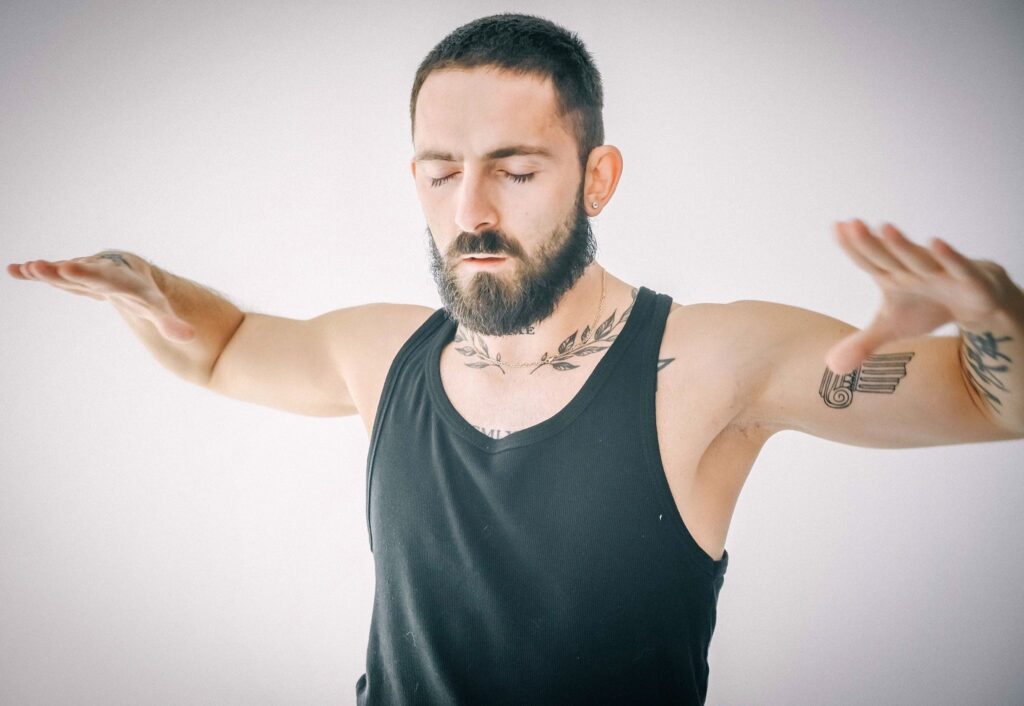
Transkrypcja
What are you working on now?
Right now, I am focusing on the February course in Słupsk. At the moment, I already have 57 registrations, which is a very big number for this city. Last year there were 31 registrations, so now it is almost double.
I am also involved in organizing the Pride March in Słupsk. This year will be the fourth edition. I will be one of the organizers and performers.
What kind of collaborations are you looking for?
Two directions.
First, workshops — dance, movement, improvisation — adjusted to different groups.
Second, performance — mainly solo, but also group projects, longer stage productions, and collaboration with theatres and institutions.
Finally, what do you wish for yourself as an artist — and for the local scene?
For myself, I wish good health. I am 37, and for a dancer that is almost retirement.
For the scene, I wish openness and loyalty, especially in bigger cities. In Słupsk, I feel safe and supported. I would like this openness to be normal everywhere.